
Chinese cars built in Britain: would UK drivers be convinced?

Blythe Margetts
Fri Feb 13, 2026 • 4 min read
Chinese carmaker Chery has opened a Liverpool hub and is in talks to build cars in the UK with Jaguar Land Rover. The move could boost buyer confidence, improve availability and increase choice as more Chinese brands invest in British production.
Chinese car manufacturer Chery has opened a new UK hub in Liverpool, signalling a major step in its long-term plans for the British market. The move raises an interesting question for motorists: would you be more likely to buy a Chinese car if it was built in the UK?
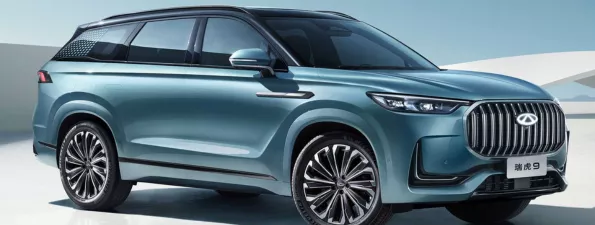
Chery, the company behind the Jaecoo and Omoda brands, clearly thinks so. Its new Liverpool base will oversee UK operations, research and local business development, helping the brand embed itself more firmly in the British automotive landscape. For drivers, this could mean shorter delivery times, improved aftersales support and a stronger UK presence from a manufacturer still relatively new to many buyers.
The company is also in discussions with Jaguar Land Rover (JLR) about producing vehicles at its Halewood factory nearby. If an agreement is reached, Chinese-badged cars could soon be built on British soil, reducing shipping delays and potentially giving customers greater confidence when considering a newer brand.
Chery’s General Manager of Commercial Vehicles, Gong Yueqiong, has been clear about the company’s intentions:
“We are not just bringing products to the UK - we are building a British business. By recruiting local talent, collaborating with UK institutions and adapting to local needs, we aim to become a valued contributor to the UK’s automotive industry and economy.”
Business Secretary Peter Kyle described the move as “a major vote of confidence in the UK”, highlighting its importance for future-focused manufacturing and economic growth.
Liverpool Hub Announcement
The Liverpool hub announcement comes as Prime Minister Keir Starmer visits Beijing to strengthen UK–China trade relations, with automotive manufacturing expected to feature prominently in discussions.
Chery already has a well-established relationship with JLR. The two companies have operated a joint venture in China since 2012, producing vehicles such as the Range Rover Evoque, Discovery Sport and Jaguar saloons for the Chinese market. Chery now hopes to replicate that partnership in reverse, bringing production back to the UK.
Liverpool City Council leader Liam Robinson welcomed the decision, saying Chery’s choice of the city reflects confidence in the local workforce and long-term vision for sustainable growth. He added that the partnership could bring new technologies, skills and employment opportunities to the region.
.png)
Chery’s rapid rise in the UK
Despite only launching in the UK in August 2025, Chery has already sold more than 5,500 vehicles, outperforming established brands such as Alfa Romeo, DS, Genesis and Smart. With the arrival of the Tiggo 9 seven-seat SUV, sales are expected to increase further.
For motorists, locally built vehicles often mean greater reliability, easier access to parts and stronger aftersales support. For manufacturers like JLR, partnerships of this kind can help stabilise production and protect UK jobs following recent industry disruptions.
Chery’s plans also reflect a wider trend. Geely Auto’s UK Managing Director has said that producing cars in the UK is a “real possibility”, while reports suggest Nissan has also explored building Chinese-branded vehicles here, although no further agreements have been confirmed.
What about Chinese cars built in Europe?
The shift isn’t limited to the UK. Chinese manufacturers are increasingly looking to produce vehicles in Europe, partly to reduce costs and avoid import tariffs. According to Reuters, Geely has been in talks with Ford about using factory space in Valencia, Spain, although neither company has confirmed a deal.
Producing vehicles within Europe allows manufacturers to avoid EU tariffs of up to 37.6%, introduced in 2024 to curb the influx of subsidised Chinese-made electric vehicles.
Other brands are already moving ahead. Leapmotor plans to build cars at a Stellantis plant in Spain, while GAC (Aion) and Xpeng are partnering with Magna International to manufacture electric vehicles in Austria.
What this means for UK car buyers
As more Chinese manufacturers invest in UK and European production, drivers are likely to see greater choice, improved availability and more competitive pricing. However, buying a newer or unfamiliar brand can still raise questions around long-term reliability and repair costs.
That’s where having the right protection in place matters. A comprehensive car warranty can help provide reassurance, covering unexpected repair bills and helping drivers enjoy peace of mind - no matter where their car is built.
As the automotive market continues to evolve, British-built cars with global badges may soon become a familiar sight on UK roads.
Latest News
-
Grey still leads - but green is gaining momentum in UK new-car colours
Wed Feb 25, 2026 • 2 min read
Read Full Story -
Used car market gains pace as independents lead the way
Thu Feb 12, 2026 • 3 min read
Read Full Story -
A Challenging Year for UK Automotive - But Strong Foundations for Future Growth
Thu Feb 12, 2026 • 4 min read
Read Full Story -
BMW iX3 names What Car? Car of the Year 2026
Thu Feb 12, 2026 • 2 min read
Read Full Story -
Used EV sales jump 29% on Cinch in 2025
Thu Feb 12, 2026 • 1 min read
Read Full Story -
UK road tax is rising in April 2026 - what drivers need to know
Thu Feb 12, 2026 • 3 min read
Read Full Story